
New Delhi: The European Union (EU) is preparing to broaden the scope of its Carbon Border Adjustment Mechanism (CBAM), a move that could raise carbon-related costs for Indian manufactured exports to the bloc, the Global Trade Research Initiative (GTRI) said on Thursday. The proposed changes signal a shift in the EU’s carbon pricing regime, with Indian exporters likely needing to step up emissions tracking, supply-chain transparency, and decarbonisation efforts to stay competitive in a key overseas market.
Follow Energy Watch on X
According to a draft report issued on April 10, 2026 by the European Parliament’s Committee on the Environment, Climate and Food Safety (ENVI), five major revisions to CBAM have been proposed.
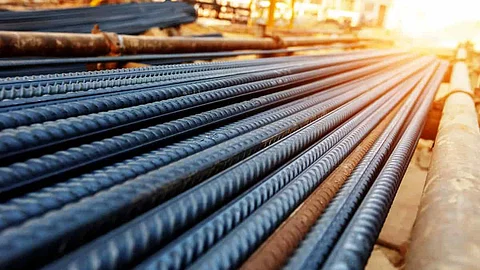
These include expanding the mechanism to about 180 additional steel- and aluminium-based manufactured products from January 1, 2028. The draft also proposes stricter carbon accounting rules, including counting emissions from pre-consumer scrap in scrap-based production.
Another key element under consideration is extending CBAM coverage to indirect emissions from electricity use across a wider set of sectors.
“Together, these steps would turn CBAM from a tax mainly on steel and aluminium raw materials into a much wider carbon tax covering manufactured industrial goods,” GTRI Founder Ajay Srivastava said.
CBAM currently applies to imports of iron and steel, aluminium, cement, fertilisers, hydrogen, electricity, and select related products, effectively imposing a carbon price on goods produced outside the EU.
“The European Union is planning a major expansion of its CBAM. This move could sharply increase carbon tax costs on Indian manufactured exports to Europe,” Srivastava added.
The proposed expansion could bring a wide range of products under CBAM, including fabricated metal goods, tubes, pipes, fasteners, structural components, machinery parts, aluminium containers, and other engineering items, GTRI said.
Follow Energy Watch on LinkedIN
While detailed product lists are yet to be published, the proposal indicates that the levy is moving deeper into the manufacturing value chain.
From January 2028, exporters of engineering goods, auto components, machinery, aluminium products, and other industrial items from India may increasingly face carbon-related charges when shipping to Europe, the think tank cautioned.

